




By Rick Pezzullo—
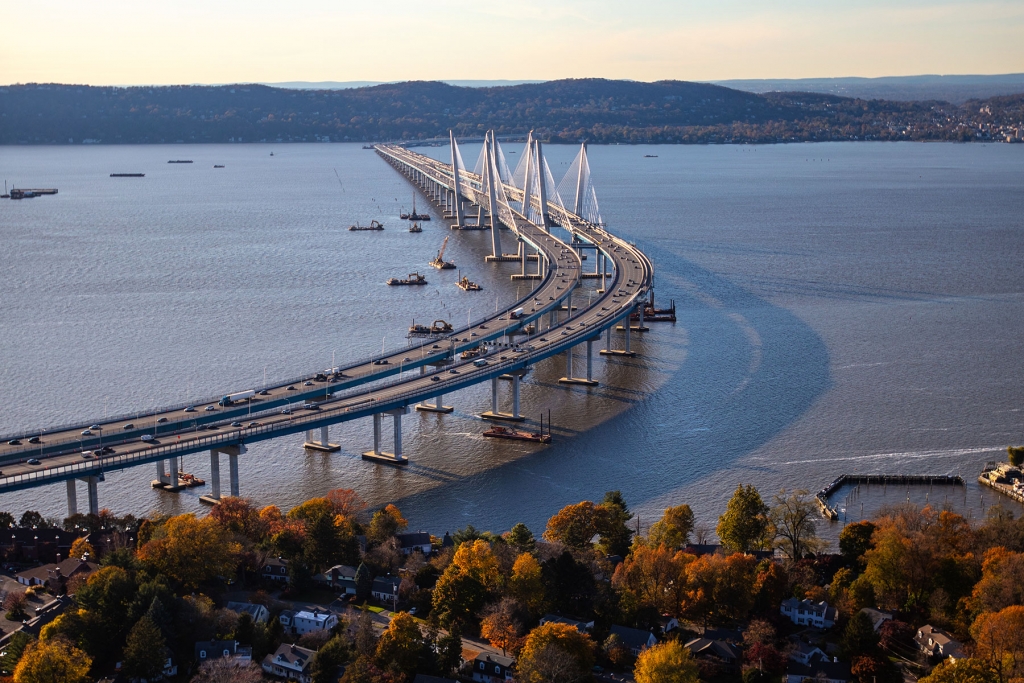
The New York State Thruway Authority Board of Directors last week authorized the start of the toll adjustments on its roadways, including the Gov. Mario M. Cuomo Bridge, starting in 2024.
The increase would be the first system-wide for NY E-ZPass customers in 14 years.




“We have not seen a system-wide toll increase since 2010, and now is the time to move ahead with this financial plan so that we can meet our growing capital investment needs while continuing to provide our customers with the safe and reliable highway they’ve come to expect,” said Thruway Authority Executive Director Matthew Driscoll.
Beginning on January 1, 2024, the fixed toll rate at the Gov. Mario M. Cuomo Bridge for NY E-ZPass customers will increase by 50 cents each year through 2027. In 2027, the base NY E-ZPass rate for passenger vehicles will be $7.75. The current rate is $5.75. Commercial toll rate increases would be proportionate to the passenger rate increases.
In addition, the plan preserves the 40 percent commuter discount plan and provides a separate 20 percent resident discount (increased from the current 17 percent discount) for qualified Rockland and Westchester residents on the Cuomo Bridge. In 2021, more than 30 percent of all tolls collected on the bridge were discounted through commuter and resident plans.
Standard toll rates for Non-NY E-ZPass (currently 5.1 cents per mile for passenger cars) and Tolls by Mail rates (currently 5.8 cents per mile for passenger cars) will increase to 8.6 cents per mile for both groups by 2027. These rates will remain below the current standard rates of many other systems across the nation.
The Board of Directors stated the toll adjustments “create a responsible, stable financial plan and ensure the Authority can meet its future capital and infrastructure needs.” The Thruway is a user-fee supported roadway and receives no federal, state, or local tax dollars.
Last year, Thruway Authority staff conducted a five year “Needs Assessment” that identified an additional $470 million in capital project needs that are currently not supported by the resources available for the existing 2022-2026 Capital Program.
Read or leave a comment on this story...



 Share
Share Print
Print
